
How to Choose Materials and Finishes for Custom Merchandise
Learn how to select the exact fabrics, hard goods, and packaging for your brand. This guide breaks down material weight, product durability, and custom print methods. You will learn the specific manufacturing details required to build retail-quality merchandise.


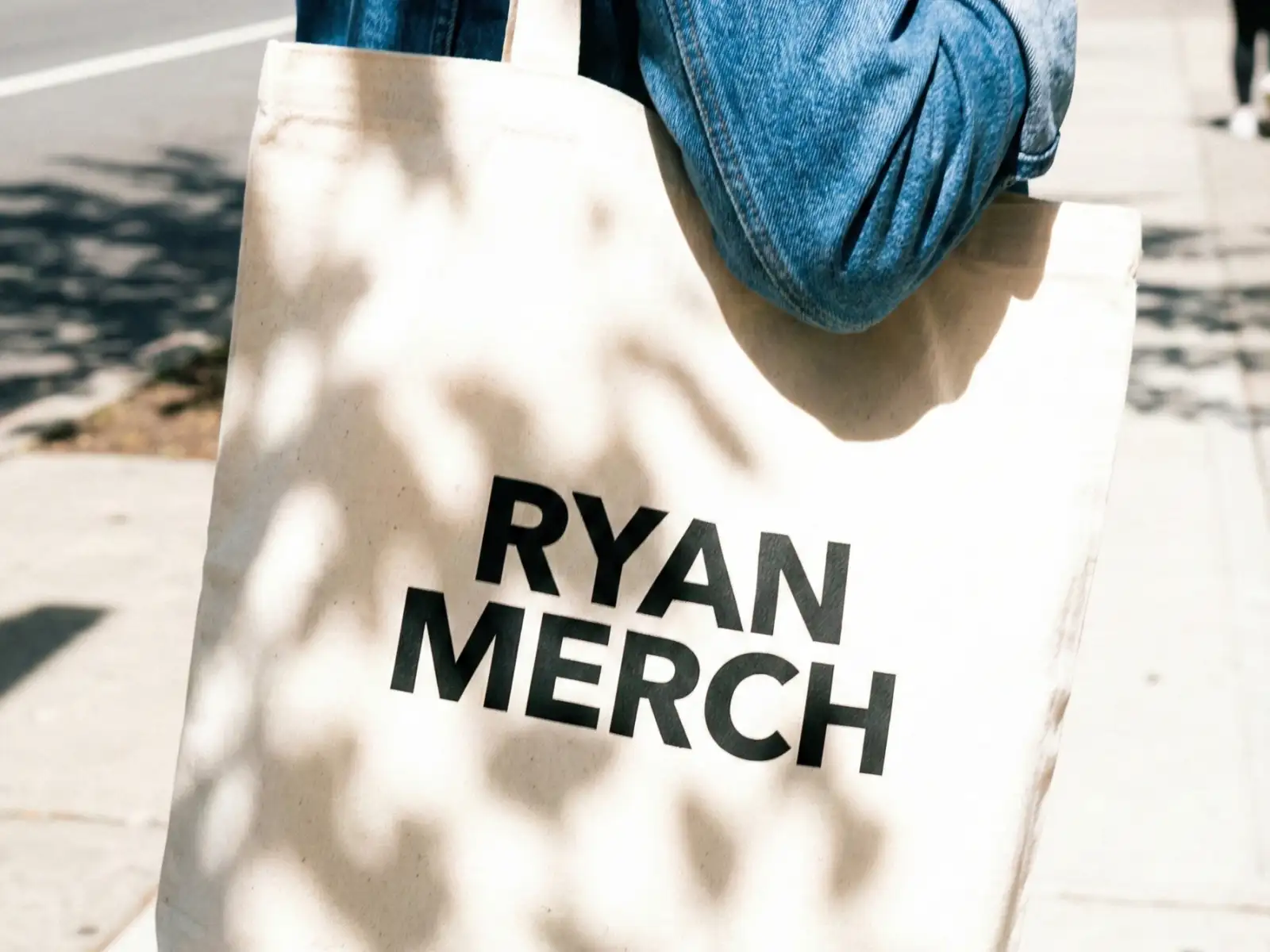
Every production decision falls into three distinct categories. Brand and purpose address aesthetics. Performance and functionality cover technical daily usage. Values and finishing tackle specialized sourcing and custom details. We manage our operations in New York and manufacture directly in China. This direct connection to production allows us to apply this exact logic to every item we build.

Apparel and Headwear
How does fabric composition impact your brand's perceived value?
Fabric composition refers to the exact percentage of different fibers woven together to create a material. Cotton and polyester serve as the two primary building blocks in apparel manufacturing. Cotton is a natural fiber that provides softness and breathability against the skin. Polyester is a synthetic fiber that adds structural strength, wicks moisture, and prevents color fading. The specific ratio of these two fibers directly dictates garment quality and determines how the piece performs in the real world.
Our basic tee uses a 60 percent cotton and 40 percent polyester blend. This specific ratio operates as a proven industry standard across global apparel manufacturing. We make this our default choice because it actively solves the distinct problems of single-material garments. Pure cotton absorbs moisture but dries slowly. It shrinks up to 5% after the first wash and fades after repeated laundering. Pure polyester feels artificial and traps body heat during stationary wear. The 60/40 split provides a highly functional balance. The synthetic polyester reduces shrinkage to around 2 percent and extends the garment's shape retention.
Meanwhile, the natural cotton ensures a soft hand-feel. This combination serves as the ideal foundation for daily corporate uniforms and high-frequency promotional tees. Different products require entirely different compositions based on their end use. A 100 percent cotton build suits premium streetwear and high-end retail collections. Heavy hoodies and rigid fashion garments rely entirely on pure cotton to maintain a stiff, architectural shape. These natural fibers also hold complex dye treatments without bleeding. You select pure cotton when your project prioritizes a heavy, traditional retail feel over athletic flexibility. Conversely, high-performance athletic wear utilizes 100 percent polyester to maximize moisture wicking and rapid drying during intense physical activity. You match the exact composition to the daily reality of your target audience.
What garment weights provide the best balance of structure and daily comfort?
Garment weight dictates the physical structure of your merchandise and directly affects wearer comfort. Weight is measured in GSM, which stands for grams per square meter. This metric defines the exact thickness and density of the fabric. Lower GSM indicates a lighter, more breathable fabric suited for warm, active environments. Higher GSM indicates a denser, thicker fabric that holds a rigid shape and provides significant warmth. You achieve the best balance by matching the fabric weight to the specific environment and intended aesthetic.
Our heavyweight T-shirt utilizes a 250 GSM fabric to provide an immediate premium retail feel. This weight creates a sharp, structured line across the shoulders and chest. A 250 GSM material offers complete opacity, meaning the fabric does not become see-through when stretched. This density signals durability and high value before the recipient even puts the shirt on. These shirts withstand years of heavy washing while maintaining their original form. This choice works best for brands wanting to project a modern, high-end image.
An oversized drop-shoulder tee also requires a heavier weight to execute its design properly. The design features seams that fall lower on the arm to create a relaxed, wide silhouette. A high GSM fabric holds this drop-shoulder shape securely. If you use a thin material for an oversized fit, the fabric will drape poorly and look sloppy. The weight provides the necessary tension to keep the "boxy" look intentional and professional. You use these heavier weights when the goal is a retail-ready fashion piece rather than a basic giveaway item.
Which headwear structures best align with your brand’s lifestyle?
A structured cap utilizes buckram to create a tall, consistent profile. This is the standard construction for professional snapbacks and athletic-style hats. The firm front panels provide a flat, stable surface for large embroidery or 3D puff logos. This structure projects a crisp, bold, and modern aesthetic. You choose a structured hat when your brand needs to look sharp and maintain a uniform appearance across a large team or event.
An unstructured cap, often called a dad hat, lacks this internal stiffening material. This results in a soft, flexible crown that collapses naturally to the shape of the wearer's head. These caps offer a relaxed, lived-in feel that prioritizes comfort and portability. Because the fabric is soft, these hats are easy to fold and pack into bags. You select an unstructured fit for lifestyle brands, casual outdoor events, or merchandise aimed at a more relaxed demographic.
When is sourcing organic or sustainable apparel the right investment?
Sourcing sustainable apparel is the right investment when your company wants to build immediate trust and show a commitment to environmental repair. Sustainable materials change the agricultural and manufacturing baseline of your merchandise. Organic cotton is grown without synthetic pesticides and utilizes significantly less water than standard cotton cultivation. Recycled polyester is created by shredding discarded plastic bottles into pure pellets and spinning them into new yarn. This recycled material delivers the moisture-wicking performance and durability of virgin polyester without the environmental cost of new plastic production.
You invest in organic cotton for premium retail lines when your audience expects environmental responsibility. The organic cultivation process protects local soil and eliminates harmful chemicals from the supply chain. This choice makes the garment safer for the farmers and more appealing to health-conscious consumers. By choosing organic, you turn a standard piece of clothing into a statement about your company's ethics.
Recycled polyester works best for durable outerwear or performance bags. You achieve rugged performance while actively reducing plastic waste in landfills. These material choices reinforce your corporate values through tangible, everyday items. When you use recycled fabrics, you provide a clear story for your marketing team to share with your clients. This approach transforms physical merchandise into a tool for brand loyalty and environmental advocacy.

Bags
What separates standard promotional totes from retail-quality accessories?
Bag quality is determined by structural additions and hardware upgrades. A gusset is an extra piece of fabric sewn into the bottom or sides of a bag to add depth and volume. Reinforced hardware includes metal zippers, magnetic closures, and cross-stitched handles. Cross-stitching forms an "X" pattern at the attachment point to distribute weight evenly. Construction details dictate the lifespan of the product.
A basic giveaway tote features thin, single-layer fabric with simple flat handles sewn straight onto the top edge. It holds light items but tears under the weight of a laptop. Retail-quality bags incorporate structural bottom gussets that expand the bag to hold bulky items securely without losing shape. Heavy-duty cross-stitching prevents the handles from ripping under heavy loads. Upgrading to metal zippers transforms the piece from a disposable grocery bag to a permanent, secure daily accessory. Quality bags stay in circulation for years.
How does canvas weight and synthetic denier correlate to weather resistance and durability?
Fabric thickness directly impacts weather resistance and load capacity. Manufacturers measure synthetic fabrics like nylon and polyester in denier. Denier tracks the physical thickness of the individual threads used in the weave. Canvas weight is measured in ounces per square yard. Higher numbers in both measurement systems indicate a thicker, denser, and stronger material. Fabric density determines how well the bag withstands urban environments.
A 210 denier polyester creates a thin, lightweight fabric standard for cheap drawstring bags. It offers minimal protection. A 600 to 1000 denier nylon produces heavy-duty backpacks. The thick weave naturally repels water and resists tearing when scraped against concrete or sharp corners. Canvas acts similarly. A 5-ounce canvas feels thin and flimsy. A 12-ounce canvas holds its shape even when empty and easily supports heavy books and electronics. Your clients rely on dense materials to protect their personal items from the elements.
How are recycled materials reshaping premium corporate bags?
Recycled fabrics utilize post-consumer waste to create high-performance textiles. The most common material is rPET, which stands for recycled polyethylene terephthalate. Manufacturers clean, crush, and melt discarded plastic water bottles into pure pellets. They spin these pellets into highly durable yarn. This approach combines functional longevity with responsible sourcing.
Historically, eco-friendly bags meant using thin, unbleached cotton that dirtied easily. Today, rPET delivers the exact same rugged performance, water resistance, and color vibrancy as virgin polyester. You achieve a premium, technical aesthetic while supporting waste reduction. You use rPET for heavy-duty laptop sleeves, modern backpacks, and travel duffels. Clients appreciate high-end bags that serve a daily purpose and actively protect the environment.

Packaging
How do packaging materials elevate the initial unboxing presentation?
Packaging materials establish the physical container that holds your merchandise. Rigid boards are thick, non-bending cardboard structures that form premium gift boxes. Soft-touch coatings are thin film laminates applied over the cardboard to create a velvety, matte texture. The tactile experience of opening a box sets exact expectations for the contents inside. The packaging initiates the entire brand experience.
Flimsy poly mailers suggest a cheap, disposable product. They offer zero structural integrity and feel entirely utilitarian. Conversely, thick rigid boards paired with a soft-touch coating create an immediate premium impression before the user even sees the internal merchandise. Custom-printed tissue paper and branded packing tape add layers of discovery to the opening process. You use rigid presentation boxes for high-ticket client gifts or new employee welcome kits to maximize the perceived value of the physical products.
What structural materials are required to safely ship comprehensive custom kits?
Internal structural materials lock products in place during transit. Corrugated cardboard features fluted internal paper layers that act as physical shock absorbers. Die-cut inserts are blocks of foam or cardboard precision-cut to the exact shape of the merchandise. Molded pulp is a recycled paper material formed into custom 3D trays. Proper internal structuring delivers the merchandise intact.
Comprehensive kits require more than just a sturdy outer box. If you ship a heavy stainless steel tumbler next to a soft cotton hoodie without internal structures, the tumbler will crush the apparel and damage the presentation. Corrugated layers absorb drops from delivery trucks effectively. Custom molded inserts hold the tumbler precisely in place to prevent shifting. You require these structural materials anytime you combine hard goods and soft goods in a single shipment. Broken items destroy the unboxing experience instantly.
Which eco-friendly mailers and components best support a sustainable brand image?
Eco-friendly packaging utilizes materials that break down naturally or reenter the manufacturing supply chain easily. Kraft paper is an unbleached, highly durable paper product. Biodegradable packing peanuts are made from natural starches rather than petroleum-based plastics. Compostable mailers utilize plant-based materials that decompose in soil. Recipients appreciate the thought given to the final disposal process.
Traditional bubble wrap and foam peanuts fill landfills for decades and frustrate users who have to throw them away. Kraft paper padding provides excellent protection for heavy items and recycles easily right alongside regular cardboard boxes. Biodegradable packing peanuts dissolve completely in warm water, eliminating plastic waste instantly. Compostable mailers break down entirely in standard home compost bins. Easing the final disposal process extends your brand values straight to the curb. People remember companies that make disposal easy and responsible.
Printing and Finishing
Which print methodology best preserves your brand visual identity across different textiles?
Print methodology refers to the mechanical process used to apply your design onto a fabric. The three primary methods are screen printing, direct to garment printing, and embroidery. Screen printing pushes thick plastisol ink through a mesh stencil directly onto the material. Direct to garment printing operates like a standard inkjet printer and sprays water-based ink into the fibers. Embroidery uses automated commercial needles to stitch heavy thread into the fabric. The correct method matches the ink or thread directly to the underlying material properties.
Screen printing works best for basic promotional apparel like our 60/40 cotton and polyester blend. The plastisol ink sits on top of the fabric and delivers bold solid colors that match exact brand guidelines. Direct to garment printing requires 100 percent cotton to absorb the water-based ink properly. You use this method when your design features complex gradients or high-resolution photographs. Embroidery provides a textured three-dimensional finish. You apply embroidery to structured headwear and heavy outerwear because those dense materials support the heavy thread without puckering. Does your current apparel utilize the correct print method for the fabric?
Which application techniques guarantee the greatest longevity on hard goods?
Application techniques define how we permanently brand rigid items like drinkware and packaging. Pad printing transfers a two-dimensional ink image onto a three-dimensional object using a soft silicone pad. UV printing sprays liquid ink onto a surface and instantly cures it using ultraviolet light. Laser engraving uses a high-powered laser to physically cut your design into the material. Permanent application keeps your logo visible through years of constant use.
Pad printing works well for curved plastic items but scratches over time. UV printing bonds directly to plastics and ceramics. This process creates a slightly raised texture that resists fading and holds up perfectly in the dishwasher. Laser engraving offers the absolute highest durability. You apply laser engraving to powder-coated stainless steel tumblers. The laser removes the exterior color coating to reveal the raw silver steel underneath. This creates a permanent mark that is physically impossible to wash off or peel away. Will your recipients use an item if the logo scratches off after one wash?
What custom finishing details transform standard merchandise into a retail ready experience?
Custom finishing involves the final physical modifications made to a product before distribution. This process includes relabeling, tagging, and individual packaging. Standard promotional items ship with generic factory tags and arrive stuffed into bulk boxes. Custom finishing removes these generic markers and replaces them with your specific branding. These final touches upgrade the presentation from a basic giveaway to a cohesive brand collection.
A custom interior neck print replaces the original manufacturer tag with your own sizing information and branding. When users see Your Logo Here printed directly on the inside collar of a 250 GSM heavyweight T-shirt, they perceive the item as a proprietary retail product. Woven hem tags attached to the bottom edge of a shirt or the cuff of a beanie add a subtle external retail touch. Finally, retail folding and individual polybagging keep garments clean during transit. This specific presentation ensures your distribution process remains organized and highly professional. What impression do you make when a client sees a generic factory tag instead of your brand?
Read the detailed printing and finishing explanation in here.

Candice
RyanMerch Manager
Ready to Start?
Hey there! RyanMerch is here to be your go-to merch partner. We're an experienced team that's all about amazing service, reliable quality, and good prices. We've got you covered from design to delivery—everything you need for your merch journey. Reach out anytime and we'll get back to you within 12 hours!